
Rails, Buses, and Wild Paths: Reaching UK Trailheads Without a Car
Set out on an adventurous, low-stress approach to the hills by combining trains and local buses to access remote trailheads across UK National Parks. Learn how to join rail lines with rural links, reduce hassle and emissions, and unlock quiet starting points others miss. We will show planning strategies, park-specific gateways, seasonal tips, and lightweight packing ideas, plus real stories. Share your experiences, ask questions, and subscribe for fresh routes, updates, and clever itinerary ideas.


From Platform to Path: Planning Seamless Connections
Create confidence by planning every handover before you shoulder your pack. Map station gateways, identify rural bus links, and double-check end-of-day departures that guard your safe return. Use trustworthy journey planners, save offline timetables, and anticipate slow connections rather than fear them. A few minutes of buffer time buys calm, café stops, and photographs, while keeping the adventure intact. Treat the connection as part of the journey, not an obstacle, and you will arrive resilient and ready to roam.
Understand the Bigger Map
Trace mainline rail routes feeding park-edge towns, then follow thin bus lines threading valleys toward quieter trailheads. Seek interchange hubs with frequent departures and multiple operators, because redundancy equals freedom. Cross-check county transport pages, OS mapping, and community notices for stop locations, diversions, and footpath links between transport nodes. Note bailout points, alternative stations, and return options, so a missed bus becomes a detour, not a disaster. Knowledge turns uncertainty into welcome spontaneity.
Build Generous Transfer Windows
Resist the temptation to book razor-thin changes. Ten spare minutes vanish quickly when platforms change, queues lengthen, or a driver waits for a wheelchair ramp. Choose earlier trains, linger for coffee near the bus stop, and breathe. If a delay strikes, you still catch the valley link; if everything runs on time, reward yourself with a snack and a quick kit check. Padding not only preserves schedules, it preserves morale when weather or crowds complicate otherwise simple plans.
Track Live Updates Without Losing Focus
Rely on official rail alerts, regional journey planners, and reputable bus tracking tools for live arrivals, stop changes, and cancellations. Screenshot key pages, save PDFs, and pin stop names before signal fades in tight valleys. Bring a power bank, set battery-saver modes, and carry a compact paper timetable for confidence when devices fail. Check disruption feeds over breakfast rather than obsessing all day, then return to being present among skylarks, stone walls, and winding bridleways.
Eryri (Snowdonia) Gateways
Trains into Bangor or Betws-y-Coed position you perfectly for local Sherpa connections fanning toward Llanberis, Pen-y-Pass, and quieter cwms. Services knit together trailheads without the parking stress that compresses plans and tempers. Start early to beat crowds, store a backup valley route, and consider lower corries if clouds pin the summits. Return buses often extend later in summer, yet winter schedules shrink, so confirm last departures. You will discover flexibility, heritage villages, and steep beauty in equal measure.
Lake District Links
Ride the mainline to Oxenholme and branch to Windermere, where frequent valley buses ripple out toward bustling hubs and more secluded beginnings. Lakeside routes thread past ferry piers, wooded shores, and junctions leading quietly uphill to passes and airy circuit starts. Planning around interchangeable stops unlocks options when weather or timing shifts. Seek early services for solitude, treat drivers and locals kindly, and support cafés that fuel walkers year-round. Your return feels unhurried, scenic, and satisfyingly light-footed.
Cairngorms Connections
A train to Aviemore plus a short bus places you at the very doorstep of ancient pines, high moorland, and spacious plateaus. Start among Rothiemurchus forests before rising onto broad shoulders where weather decides everything. Buses ascend toward ski infrastructure that doubles as trail access, easing the steepest first miles. Keep an eye on mountain forecasts, carry extra layers, and mark safe descent options into glens with reliable stops. Here, expansive horizons meet dependable links, offering bold yet controlled adventure.
Seasonal Rhythms and Reliable Returns
Summer Abundance, Winter Patience
Warmer months bring extra departures, circular shuttle loops, and cheerful crowds that boost reliability but test personal space. Winter trims frequency, concentrates options, and punishes sloppy timing with long waits. Shape itineraries around reliable spines—main rail corridors, strong valley links—and pick trailheads that permit reversible decisions. Consider low-level ridgelets or forest circuits when daylight narrows. Pack a headtorch regardless of forecast, because confidence after sunset amplifies safety at remote stops. Seasonal humility yields happier, steadier outcomes.
Sundays, Bank Holidays, and Surprise Gaps
Festive timetables can offer bonuses or cutbacks, sometimes both within the same corridor. Always confirm weekend patterns, check operator notices, and search for small-print exceptions around school-term variations. When in doubt, start earlier and finish closer to a bigger hub with frequent returns. Build in time for celebratory food, because relaxed meals align well with cautious buffers. If a surprise cancellation hits, a gentle road walk to an alternative stop often solves everything. Anticipation replaces anxiety, and momentum returns.
Plan Exit Routes Like a Pro
Mark several return stops along your loop, not just the ideal one. If pace slows, bail out sooner without souring the day. If energy soars, push to a farther terminus without risking the final ride. Keep taxi numbers and station names written down, alongside operator customer-service lines. Ask drivers for practical tips, because local knowledge trumps algorithms when fog, diversions, or events alter routines. With layered exits, your adventure bends gracefully rather than breaking under a single brittle plan.
Pack Light, Travel Smart
Moving through stations and buses with trail gear becomes effortless when every item has a purpose. Embrace compact packing that respects shared spaces, protects fragile kit, and speeds boarding. Dry-bag systems confine damp layers, while collapsible poles and streamlined footwear management prevent clutter. Keep essentials reachable without sprawling across seats or aisles. A well-prepared hiker looks like an easy guest, encouraging goodwill from drivers and passengers. Polite organization translates directly into schedule reliability and calmer decision-making when plans flex.

Compact, Clean, Considerate Packing
Use a tidy 30–40 liter pack with internal organization so snacks, layers, and maps appear quickly without exploding onto seats. Clip boots outside only when clean and secure, otherwise bag them and wear travel shoes. Trekking poles collapse fully and tuck away to protect fellow riders. Keep mud under control with lightweight gaiters, spare socks, and a simple groundsheet for wet platforms. Courtesy builds goodwill, which sometimes becomes a helpful heads-up about the best stop for your trail.
Wet Weather and Mud Management
Valley buses welcome walkers, but soaking kit needs restraint. Stash waterproofs and dripping items inside a roll-top liner, then absorb leftover moisture with a compact towel. A plastic sit-mat both protects fabric seats and keeps you warm after windy summits. Pack an extra tote for muddy shoes, plus antibacterial wipes for quick hand cleanups. These tiny habits maintain community comfort, simplify transitions at interchanges, and keep your backpack organized when the sky opens repeatedly during shoulder-season adventures.
Navigation and Power Strategy
Rely on layered navigation: paper map and compass, offline app maps, and a small battery bank. Photograph bus stop names, junction signs, and timetable boards in case you lose signal. Mark emergency exit lines and low-level alternatives that intersect dependable stops. Keep a whistle and small first-aid kit accessible, not buried. Charge devices on the train if sockets exist, but never assume they do. Thoughtful redundancy safeguards both mountain decisions and the quiet logistics that return you home happily.
Cost-Savvy Tickets and Simple Payments
Stretch your budget with smart rail fares and simple local bus payments. Railcards often pay for themselves in a couple of trips, while advance tickets and occasional split fares reward planners. On buses, contactless caps, day tickets, and straightforward return options simplify choices when your loop changes. Keep flexibility by avoiding the very last departures and building alternative links. Ask drivers about the best value for your route; local knowledge can reveal specials. Savings sustained over seasons become more summits, not compromises.
Inclusive, Low-Impact Adventure
{{SECTION_SUBTITLE}}

Lower Emissions, Higher Joy
Per-passenger emissions on well-used trains and buses are generally far lower than solo driving, especially across repeat visits. Cleaner travel preserves air clarity and soundscapes that make skylark songs, river chatter, and boot crunches stand out. Less congestion means rangers focus on paths instead of overflow parking. Your ticket underwrites networks that locals use for school, work, and hospital trips. This is stewardship made practical, generous, and repeatable—adventure fueled by gratitude, not exhaust, mile after memorable mile.

Access for More People
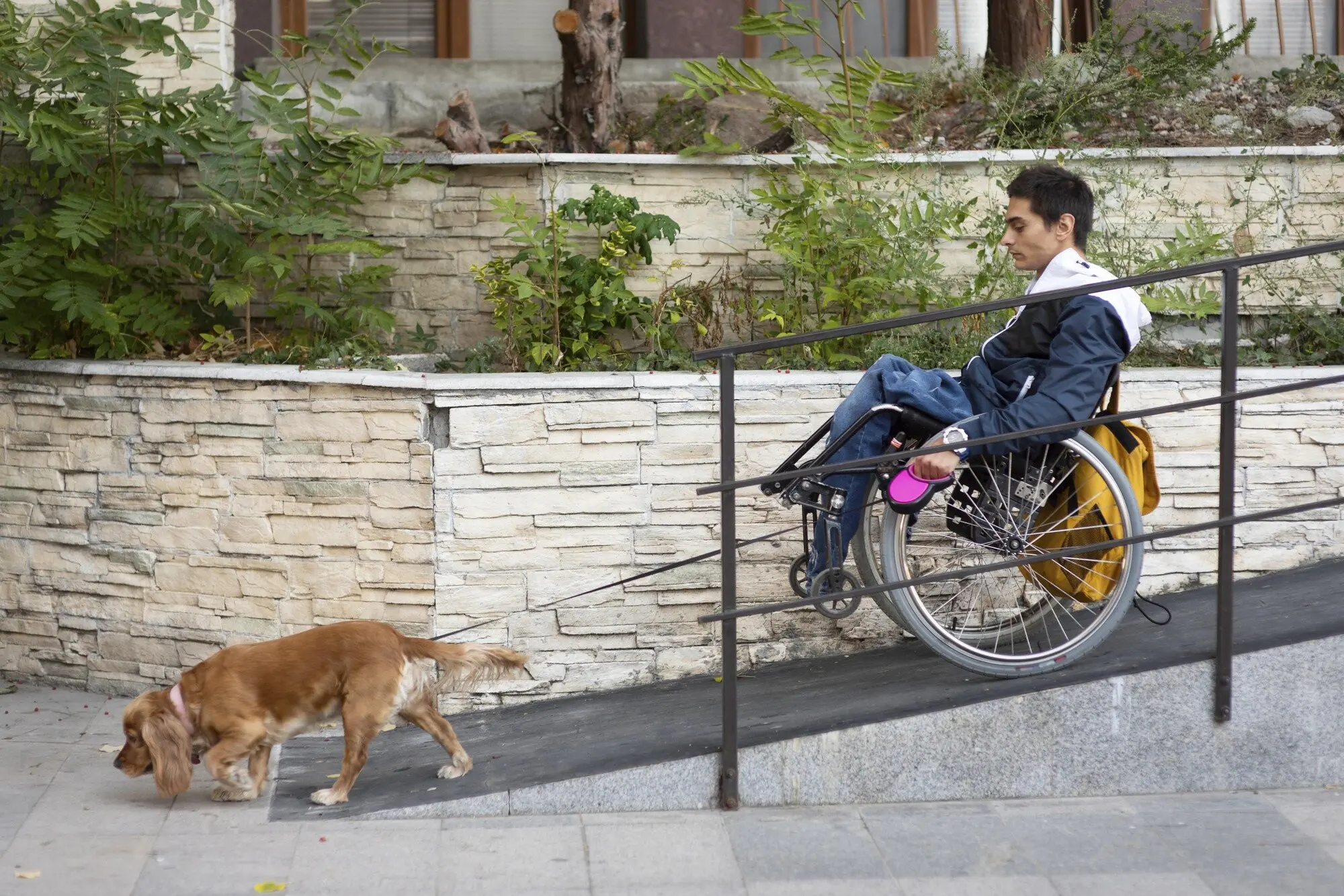
Step-free stations, staff assistance, and reliable timetables bring the uplands closer to walkers who do not drive or prefer not to. Clear stop announcements, patient drivers, and visible priority seating increase comfort for families, disabled hikers, and newcomers equally. Share turn-by-turn station-to-trail notes with friends who feel nervous about transfers. Celebrate small wins—first solo bus, first car-free ridge—as milestones. Inclusive access builds a stronger outdoor community, broader stewardship, and richer conversations at summits where paths and stories intersect.
Pen-y-Pass Sunrise
An early train to Bangor, a short hop to the valley, and the first bus up to the pass placed us on quiet stone at pastel dawn. We watched headtorches drift along distant contours while the wind rose gently. On the return, a slower connection meant warm soup and stories with new friends at a café. Lesson learned: front-load the day, because sunrise patience repays every yawn, and friendly buffers often become human moments you would never trade.

Buttermere Round After Rain
From Oxenholme to Windermere, then over shimmering water and pooled lanes to a valley bus, we reached quieter shores after storms scrubbed the sky clean. Waterfalls thundered, paths glistened, and a circling route found us back at a different stop just in time. Lesson learned: design loops with multiple exit points, because wet ground nudges plans, and an extra bus option converts uncertainty into calm. Returning mud-free seats and smiles invited easy conversation with the driver.

Aviemore to the Plateau
Trains north carried us past fields into mountain shadow, then a brisk bus swing delivered trail underfoot sooner than legs expected. A playful breeze became stern on the plateau, turning our plan toward a sheltered glen exit and a reliable stop. Lesson learned: respect forecasts while celebrating nimble transport links. The best decision sometimes is retreat with style, hot chocolate in hand, and a slow ride through forests glowing late, where timetables and pines agree on gentler endings.
All Rights Reserved.